Last Updated:
Modern advanced lasers use a gentle, targeted beam of light that can safely reach different layers of the skin in almost all skin types.

Laser Treatment Can Help Improve Uneven Skin Tone
Uneven skin tone, pigmentation and discolouration are all totally normal skin issues that people, especially women, face. In fact, a majority of people experience uneven skin tone, with studies showing prevalence rates of 8-20% for pigmentary disorders like hyperpigmentation in diverse populations. It rises significantly in darker Fitzpatrick skin types IV-VI, up to 77-82%. Issues range from dark spots and sun damage to acne scars and persistent redness. While topical creams, which have been the traditional go-to remedy for long, offer surface-level help, advanced laser treatments provide deeper, targeted correction for lasting clarity.
Dr Tanushree Biswas, dermatologist at Kaya Bangalore, explains how undergoing laser treatment can help you feel your best and boost confidence in your own skin:
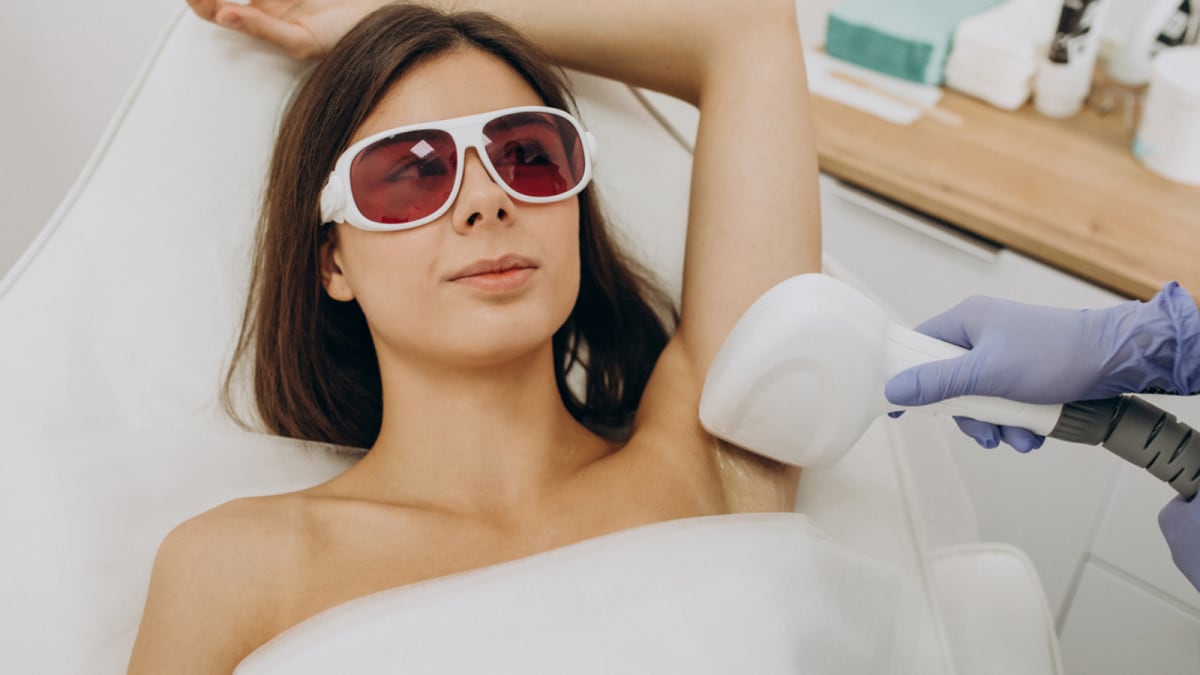
Modern advanced lasers use a gentle, targeted beam of light that can safely reach different layers of the skin in almost all skin types. They focus on extra pigment (melanin) that causes dark spots and can cure redness and visible blood vessels in the same session. The energy is controlled so it heats and breaks down the unwanted pigment without harming the surrounding healthy skin.
Dr Tanushree says, “Some laser treatments work in a ‘fractional’ way, meaning they treat small patches of skin while leaving the surrounding area untouched. This helps the skin heal faster, and most sessions are quick, usually taking about 15–30 minutes.”
The US FDA-approved Aerolase Neo Elite is a gentle, non-invasive laser treatment designed to improve a range of skin concerns safely and comfortably. It uses a specific 1064 nm laser technology that targets problem areas beneath the skin without damaging the surface.
The laser energy helps break down excess pigmentation that causes uneven skin tone, while also calming the small blood vessels that contribute to redness and conditions like melasma. Its 650-microsecond pulse duration is shorter than the thermal relaxation time of skin tissue, which means heat stays focused on the target areas. This makes the treatment more comfortable and reduces the risk of side effects such as burns or unwanted pigment changes.
The Neo Elite also features air-cooling technology, so there is no need for gels, numbing creams, or contact cooling. Most patients describe the treatment as quick, comfortable, and easy to fit into their routine, with little to no downtime afterward.
This dual action helps treat both pigment deposits and the underlying vascular triggers. Such device use a gentle, targeted 1064 nm beam that can be adjusted for different skin tones, allowing dermatologists to address pigmentation and redness in a comfortable, low-downtime way. With visible improvement often noted after the first session, multiple sessions are associated with brighter, smoother, and more refined skin, with high satisfaction reported across diverse skin tones. Other than minimizing the spots, these lasers stimulate collagen and elastin, the proteins that give skin firmness and bounce.
Because heat is more confined to the target, treatments tend to be more comfortable and have a lower risk of adverse effects like burns or pigment changes compared with older long-pulse lasers.
To maintain the results, dermatologists often recommend 1–2 touch-up sessions a year, along with strict sunscreen use and antioxidant skincare (like vitamin C) to protect against sun and hormonal triggers that can bring pigmentation back. A 70-90% improvement rate is typical, but maintenance sustains vitality.
Individual factors like skin type, Fitzpatrick scale classification, medical history, and lifestyle significantly determine the ideal laser protocols. Darker tones require gentler settings to minimise risks like post-inflammatory hyperpigmentation, which affects up to 20-30% of patients without customisation. Consulting a board-certified dermatologist ensures safety through patch tests, precise wavelength selection, and tailored energy levels, reducing side effects. Avoid sun exposure two weeks prior to the treatment and disclose conditions like active herpes or keloid scarring.
Combining lasers with topicals (hydroquinone, niacinamide) amplifies results, while embracing antioxidant-rich diets and adopting stress management techniques bolster resilience. For optimal glow, partner with experts for a holistic plan delivering immediate radiance and decade-long skin health.
December 20, 2025, 16:18 IST